Build a personal baseline
Record ordinary walks, easy sessions, resting patterns, and the moments that consistently change your breathing.
Issue 04 · 5 October 2026
A field guide to capacity
Nymera examines the quiet mechanics behind useful fitness: how the heart adapts, how strength travels through daily life, and how men over 35 can train with curiosity rather than noise.
Reference points
General public-health guidance for adults, summarised here for context. Individual needs differ, and a qualified professional can help interpret them.
Why Nymera exists
Fitness information often jumps from a dramatic claim to a prescriptive routine. Nymera takes a slower route: we explain terms, identify what a study can and cannot say, and translate training ideas into questions you can discuss with a qualified professional.
Our focus is the physiology of men over 35 — cardiovascular adaptation, muscular output, connective tissue, and recovery — written for readers in Jakarta and across Indonesia who train around demanding work and family schedules.
Read our methodAt a glance
An overview of how the main capacities differ in purpose, typical sessions, and the signals worth observing. Each column links to a full desk.
| Quality | Main purpose | Typical session | Signal to observe |
|---|---|---|---|
| Cardio-endurance | Sustained oxygen delivery and use | Easy continuous work, occasional structured intervals | Talk test, pace at a steady heart rate |
| Functional strength | Controlled force in everyday movement | Carries, hinges, pushes, pulls, and rotations | Quality of positions, repeatable technique |
| Recovery | Adaptation between sessions | Sleep routines, easy days, planned rest | Mood, appetite, resting patterns over weeks |
A route through the subject
Record ordinary walks, easy sessions, resting patterns, and the moments that consistently change your breathing.
Use perceived effort, talk test, and simple performance markers alongside professional assessment where needed.
A useful plan leaves space for work, family, weather, and the uneven energy of real weeks.
Progress is a conversation between the session you intended and the recovery you actually had.
Field photographs
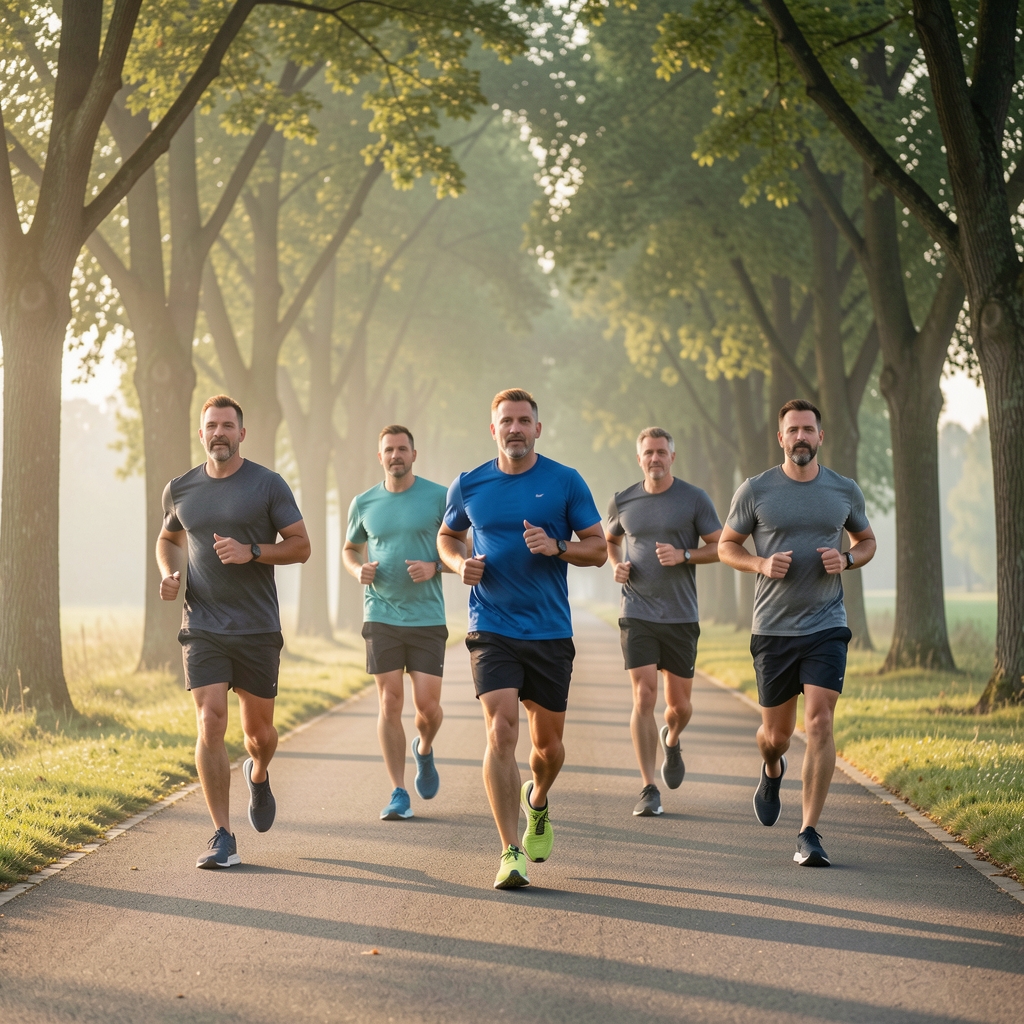
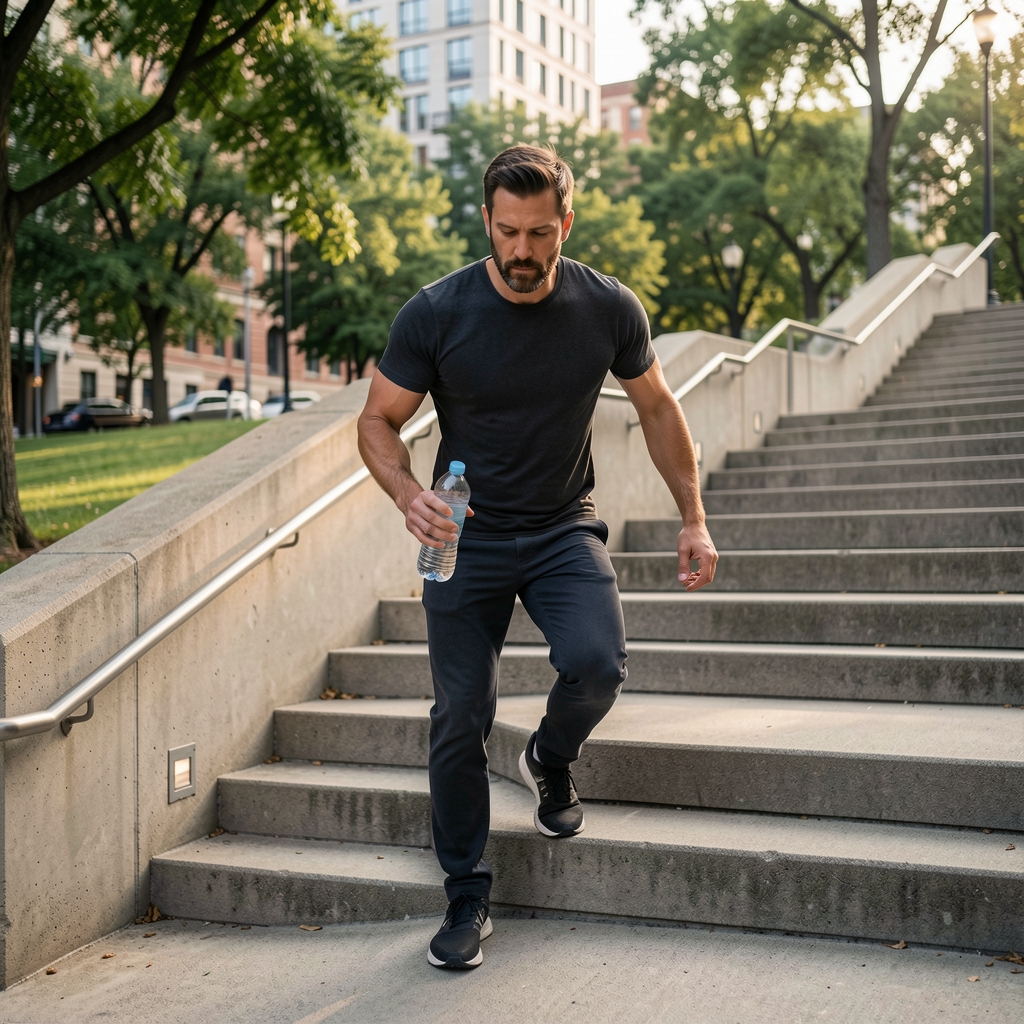
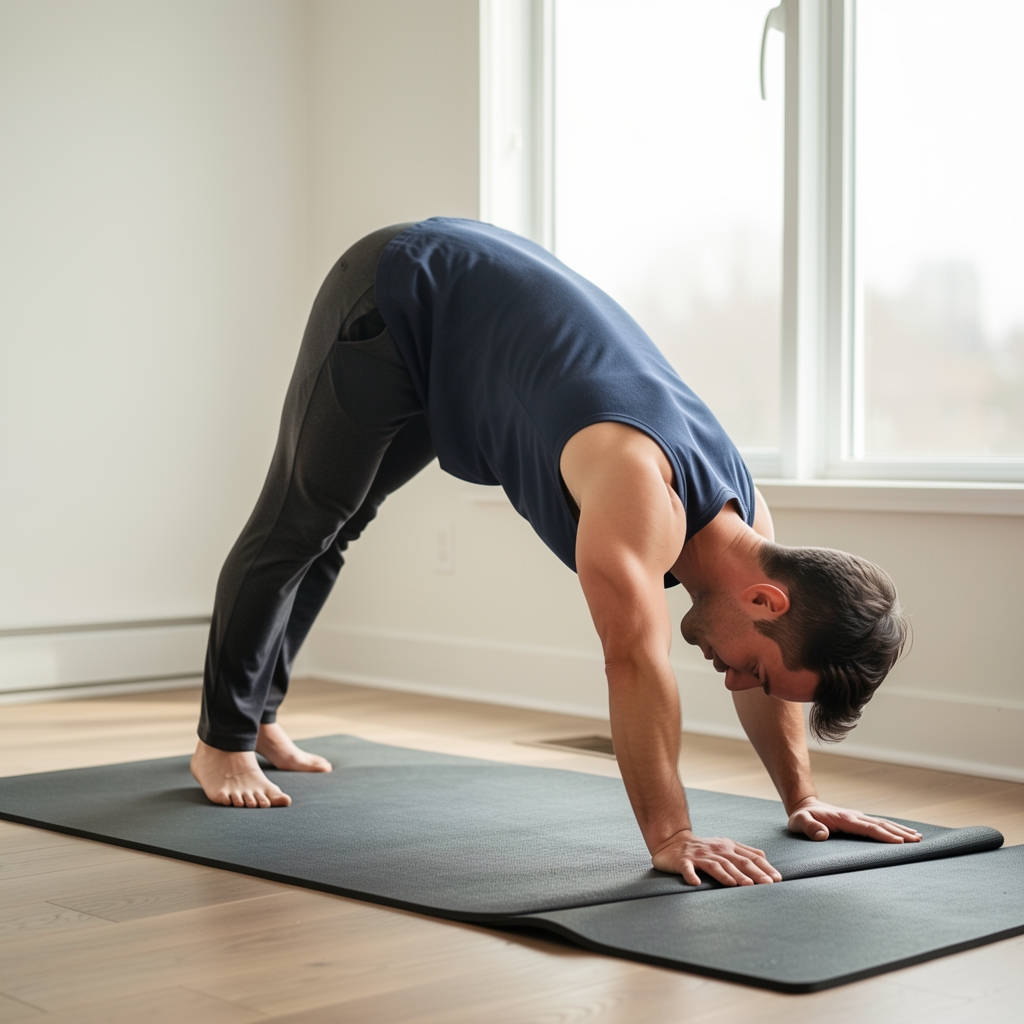
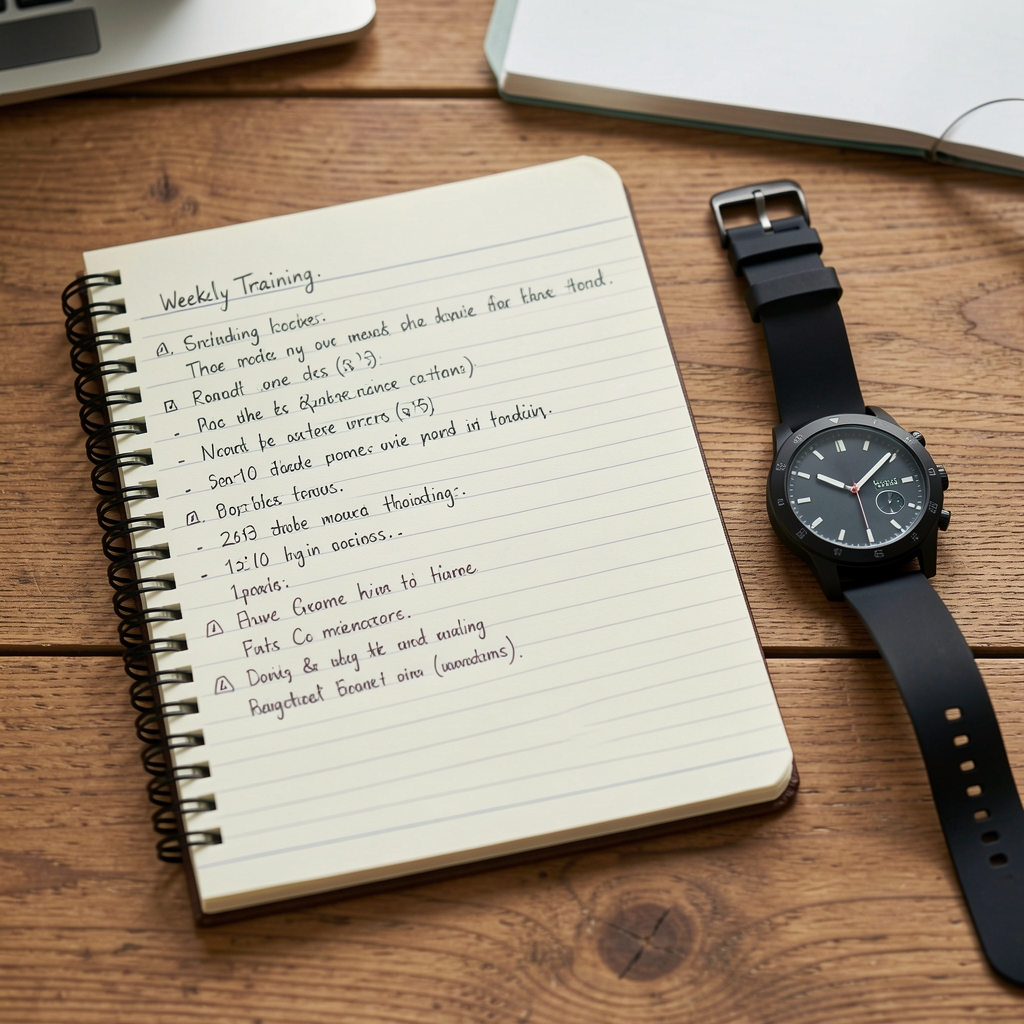
Images from the sessions, studios, and routes our writers visit while reporting.

Written walkthrough
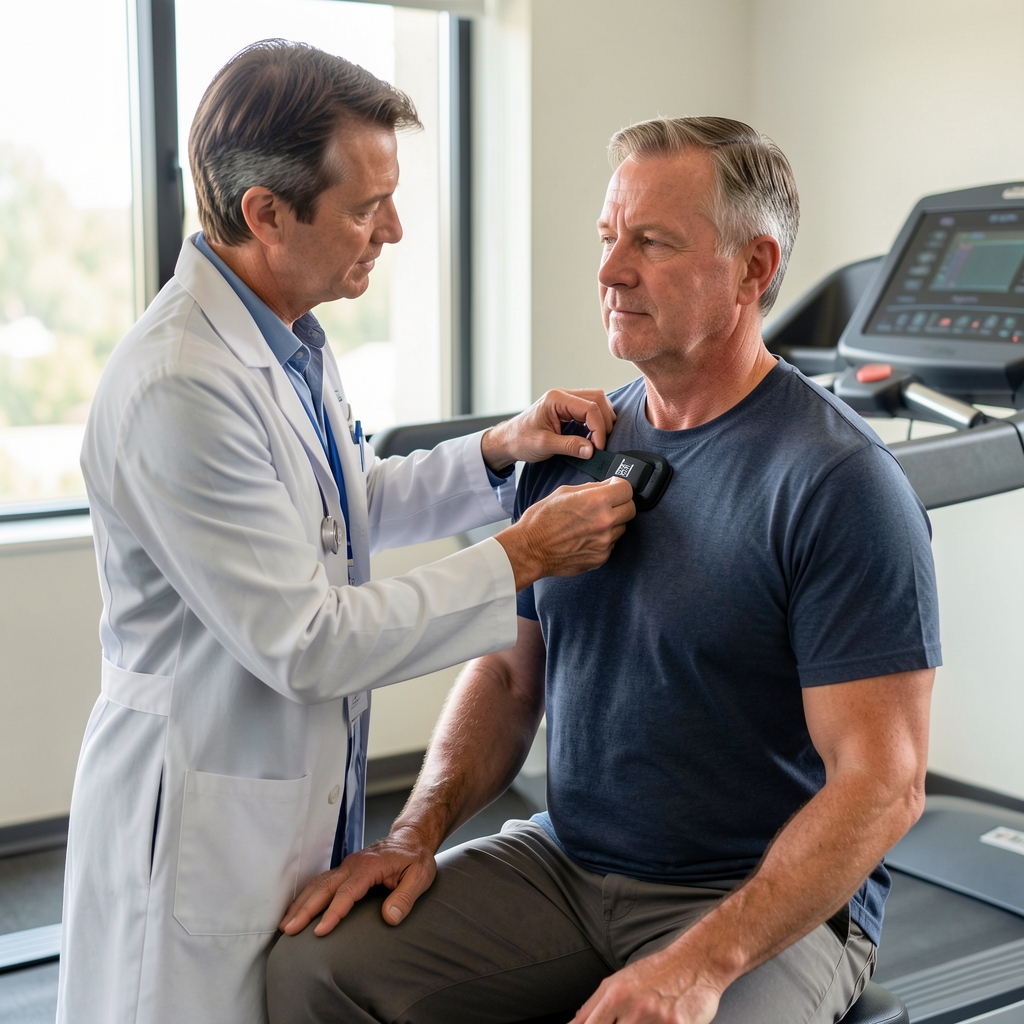
A written walkthrough of how a submaximal assessment is prepared: the questionnaire, the warm-up, the staged effort, and the cool-down. The accompanying article explains what each measurement represents and where its limits lie.
“The most sustainable training plan is not the one that looks impressive on paper; it is the one that remains legible on a difficult Tuesday.”
— Nymera editorial desk, 2026
The editorial desks
Each article passes through a writer and a reviewer from a different desk. Read more on the about page.
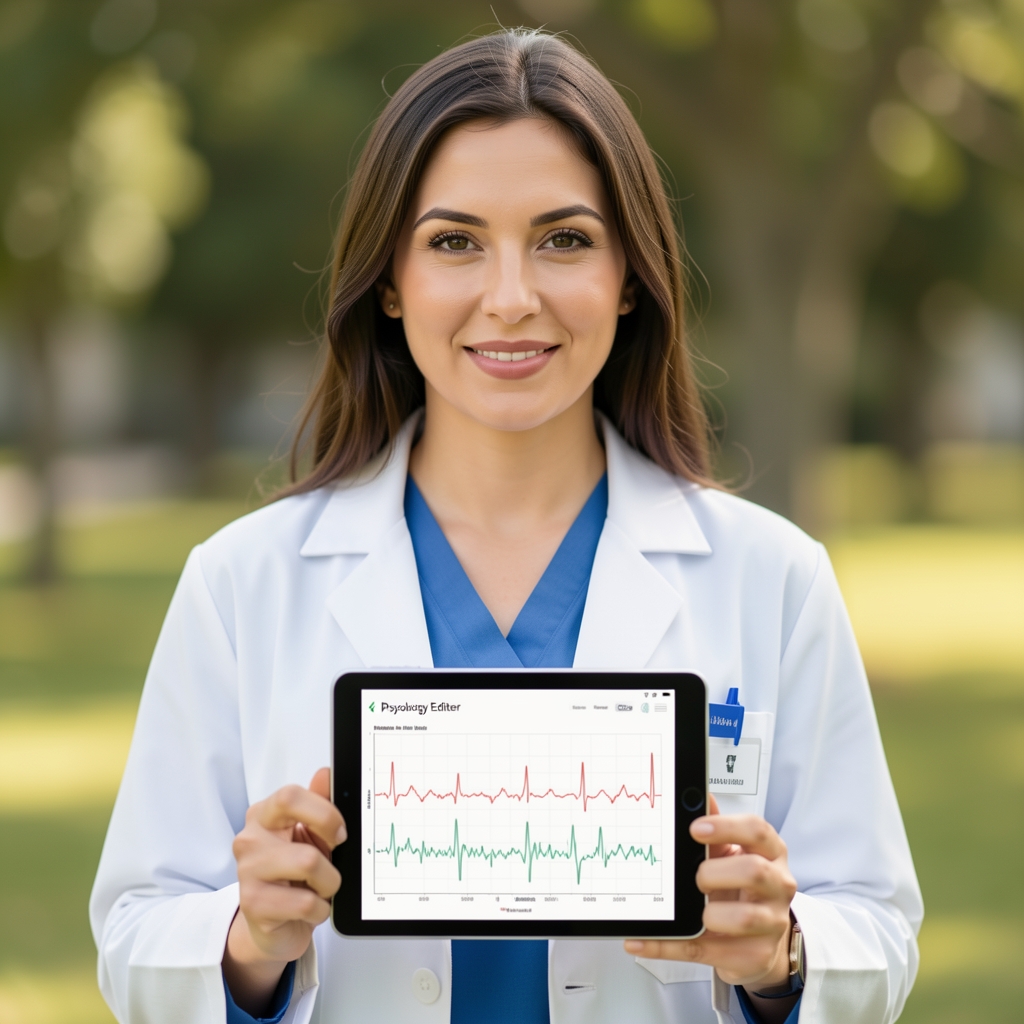
Reads primary studies on cardiovascular and muscular adaptation, and flags where findings come from younger populations.
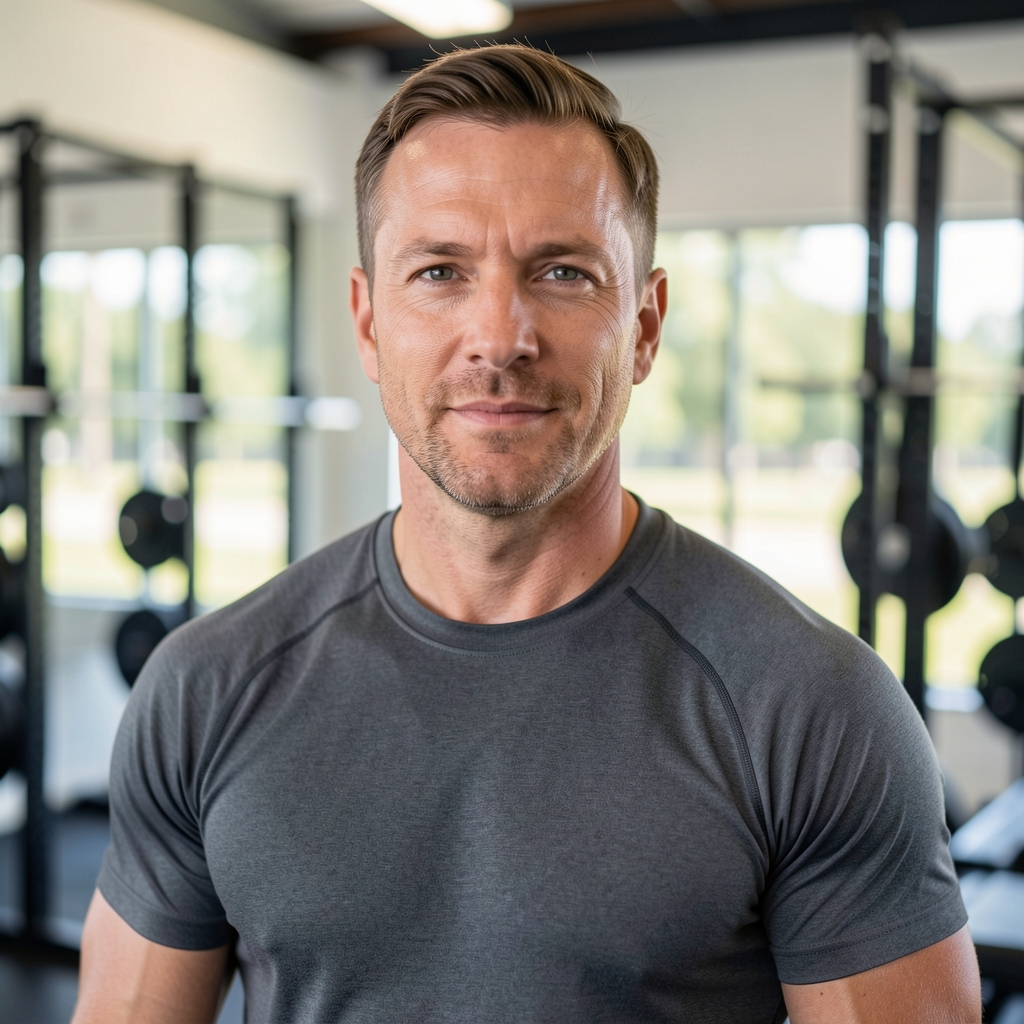
Translates research into session outlines, movement notes, and cautions drawn from working with adult trainees.
Covers sleep, nutrition context, and workload patterns, with attention to the pace of Jakarta working life.
From the journal
Latest pieces from the archive. The full journal lists everything we have published.
Why chronological age is a useful context, but a poor substitute for a training history.
A practical reading of pace, heart rate, and perceived effort without false precision.
How to think about meals, hydration, and the rhythms of Indonesian working life.
What a few weeks of simple notes can reveal about workload and rest.
Observations on heat, pacing, and hydration from an early session in South Jakarta.
Common questions
No. Nymera is an editorial publication. Our articles are general information and do not replace advice from a physician, physiotherapist, or qualified coach.
Much sport research is built on younger participants. We read studies with attention to age, training history, and the practical constraints of mid-life schedules.
Each piece cites peer-reviewed literature or recognised public-health guidance, and is reviewed by a second desk before publication. The methodology page describes the process.
Use the contact page. Corrections are logged and described in our editorial policy.
Begin with the subject that matches the question in front of you, or write to the editorial team.
Enter the physiology desk Contact the editors
Nymera · Jl. Gatot Subroto Kav. 36, Jakarta Selatan, DKI Jakarta 12950, Indonesia · +62 878 9652 1437