A reader-shaped question is written down
Topics begin as questions from readers in Jakarta and elsewhere in Indonesia, or from gaps the desks notice. The question is phrased narrowly enough to be answered from published sources.
Method note · Revised 5 October 2026
Methodology
Sources, review, wording and corrections: the working rules behind every page on Nymera.
The process
Nymera is an editorial publication about sport physiology for men over 35. The sequence below applies to every article, glossary entry and guide, whether it runs to four hundred words or four thousand.
Topics begin as questions from readers in Jakarta and elsewhere in Indonesia, or from gaps the desks notice. The question is phrased narrowly enough to be answered from published sources.
Writers collect peer-reviewed papers, public-health guidance and, where relevant, position statements from professional bodies. Each source is logged with its date and access link.
The draft states what the sources found, in whom, and over what period. Technical terms are linked to the glossary on first use.
A reviewer from another desk checks the claims against the sources, tests the wording for overstatement, and flags any sentence that reads as advice rather than information.
Each page shows when it was last reviewed. Pages are revisited at least once a year, or sooner when new guidance is issued or a reader raises a correction.
Working principles
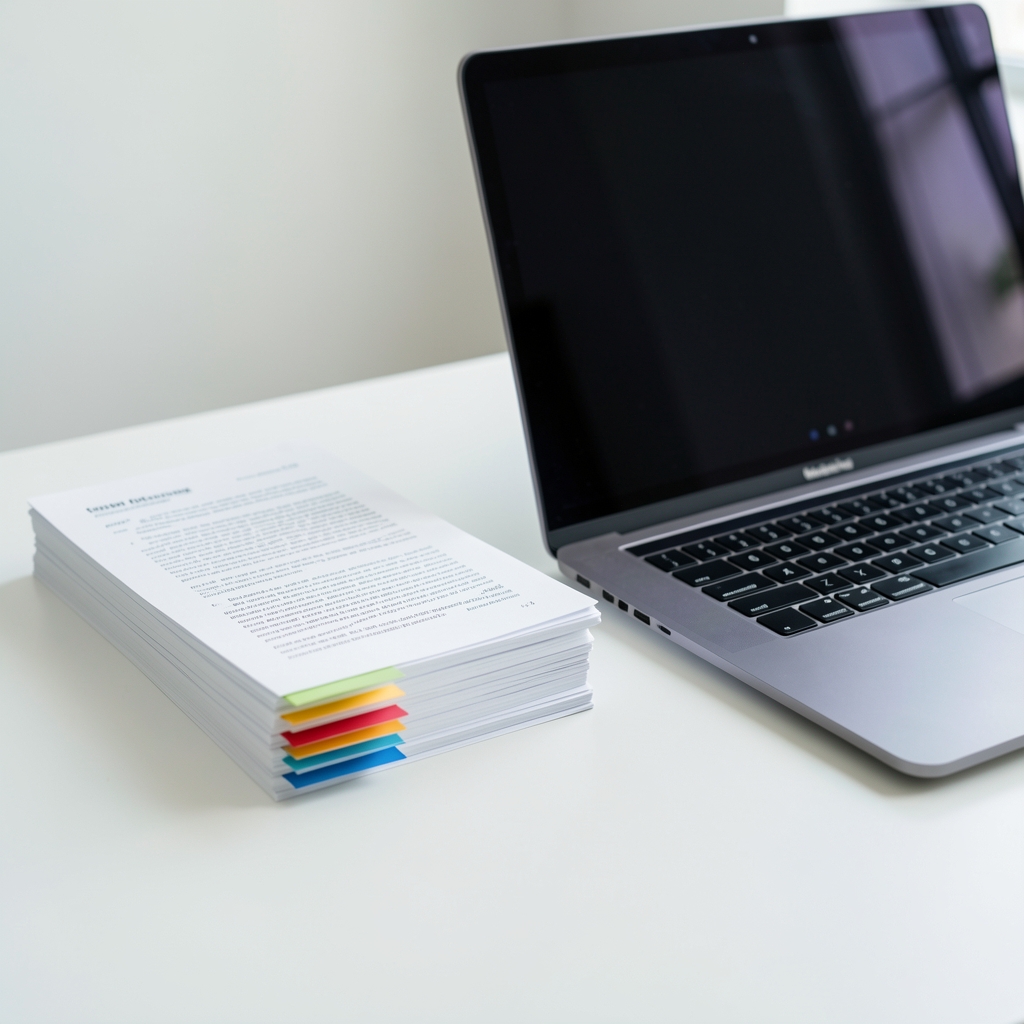
Every factual statement can be traced to a named source. If a sentence cannot be supported, it is removed or rewritten as an open question. We do not rely on anonymous claims or unreferenced social media posts.

The writer never reviews their own piece. The reviewer works from the sources, not from the draft alone, and records any change requested so the editor can see what moved and why.
We choose verbs that match the design of the evidence. A trial may show that a change occurred; a cohort study can only show an association; an expert opinion is presented as opinion. Promises, rankings and urgency are not part of our register.
Evidence handling
The table sets out the source types we use, how we cite them and the phrasing they allow. It describes our editorial habits and is not a formal grading system.
| Source type | Examples | Phrasing it supports | Review frequency |
|---|---|---|---|
| Public-health guidance | World Health Organization activity guidelines; Indonesian Ministry of Health publications | “Guidance for adults recommends…” | Every 12 months or on update |
| Peer-reviewed research | Trials, cohort studies and systematic reviews in indexed journals | “In this study, participants…”; “was associated with…” | At each article review |
| Position statements | Documents from professional sports-medicine and exercise-science bodies | “The organisation states that…” | Every 12 months |
| Practitioner observation | Coaches, physiotherapists and physiologists interviewed by the desks | “In practice, one coach notes…”, labelled as opinion | Every 24 months |
Nymera does not diagnose, prescribe or monitor individuals. Nothing on the site constitutes medical advice, and the articles are written for general understanding. The following choices are part of the method, not omissions:
Readers with symptoms, injuries or existing conditions should consult a physician or physiotherapist before changing their activity.
Reviewer checklist
Reviewers record their answers in a short log. Items that cannot be resolved lead to a rewrite or to the removal of the passage, and the log is kept for 24 months so that later corrections can be traced.
Read the editorial policy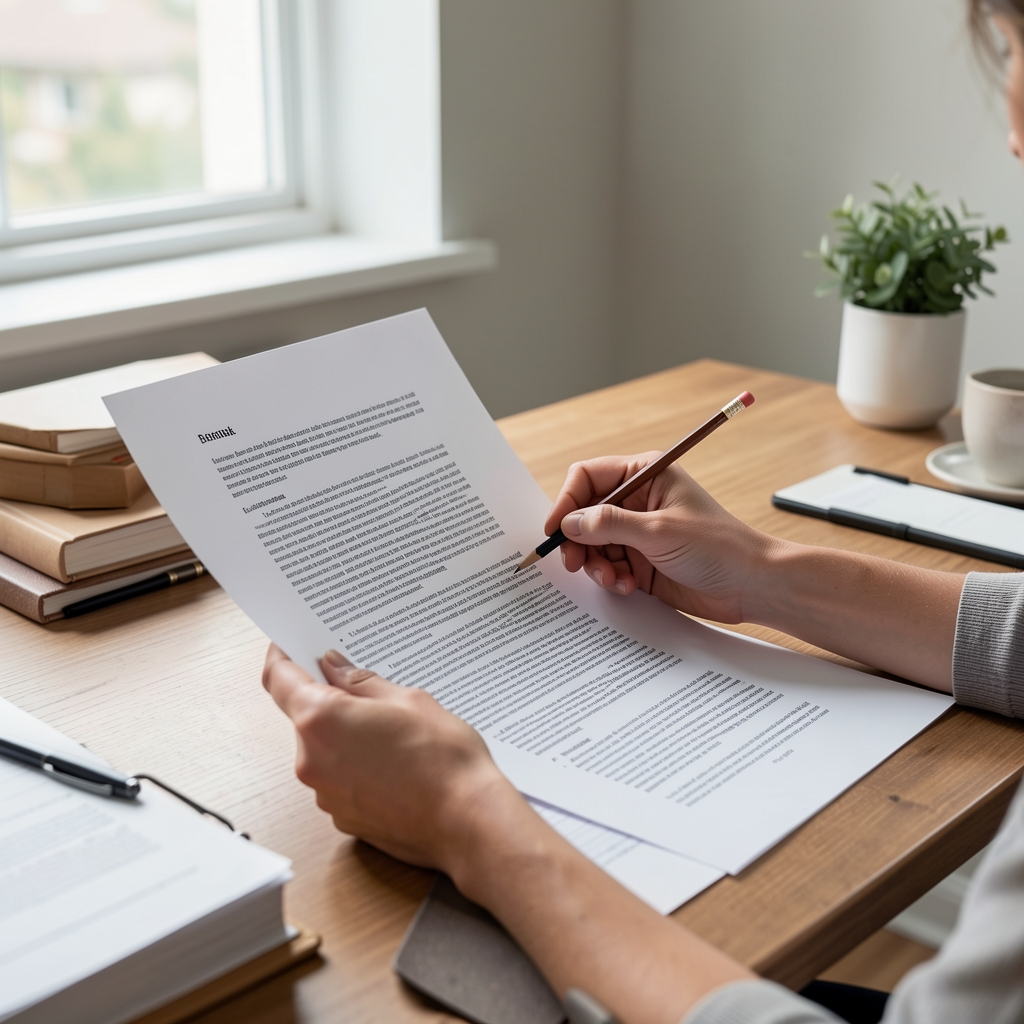
“If a sentence cannot name its source, it has not yet earned its place on the page.”
— Nymera editorial desk, 2026
Corrections
Errors are corrected on the page itself, with a dated note describing what changed. Material changes are logged; minor typographical fixes are not. Readers can report a concern through the contact page, or by telephone on +62 878 9652 1437 during office hours at Jl. Gatot Subroto Kav. 36, Jakarta Selatan, DKI Jakarta 12950, Indonesia.
An acknowledgement is sent within two working days. A factual error is examined by the desk that wrote the piece and by a reviewer from another desk, and a decision is communicated within fourteen days.
Yes. Earlier versions of material pages are archived internally for 24 months, so that a change can be explained if a reader asks what was altered and why.