
Physiology desk
Reads primary studies on cardiovascular and muscular adaptation, flags where findings come from younger populations, and maintains the glossary and the research digest.
Masthead · Autumn 2026
About Nymera
Nymera explains how the body adapts to effort after 35, and it does so in plain language, with sources, without promises.

Who we are
Nymera is a small editorial publication that explains exercise physiology, aerobic conditioning and practical strength work for men in their mid-thirties and beyond. We are based in Jakarta Selatan and write primarily for readers in Indonesia, where long commutes, humid weather and demanding schedules shape how people actually train.
The site is built around a simple observation: most fitness writing is either written for people in their twenties or compressed into short instructions. Readers in mid-life usually have more experience, less spare time and more questions about why a familiar routine no longer feels the same. We try to answer those questions with sources and context.
We do not sell training plans, coaching or products through the editorial pages. Our contents are information for general understanding, and we say so on every page where it is relevant.
Read our methodologyAt a glance
The desks
Work at Nymera is divided into desks, each with a clear scope. Articles are written by one desk and reviewed by another so that no piece is checked only by the people who produced it.
Reads primary studies on cardiovascular and muscular adaptation, flags where findings come from younger populations, and maintains the glossary and the research digest.
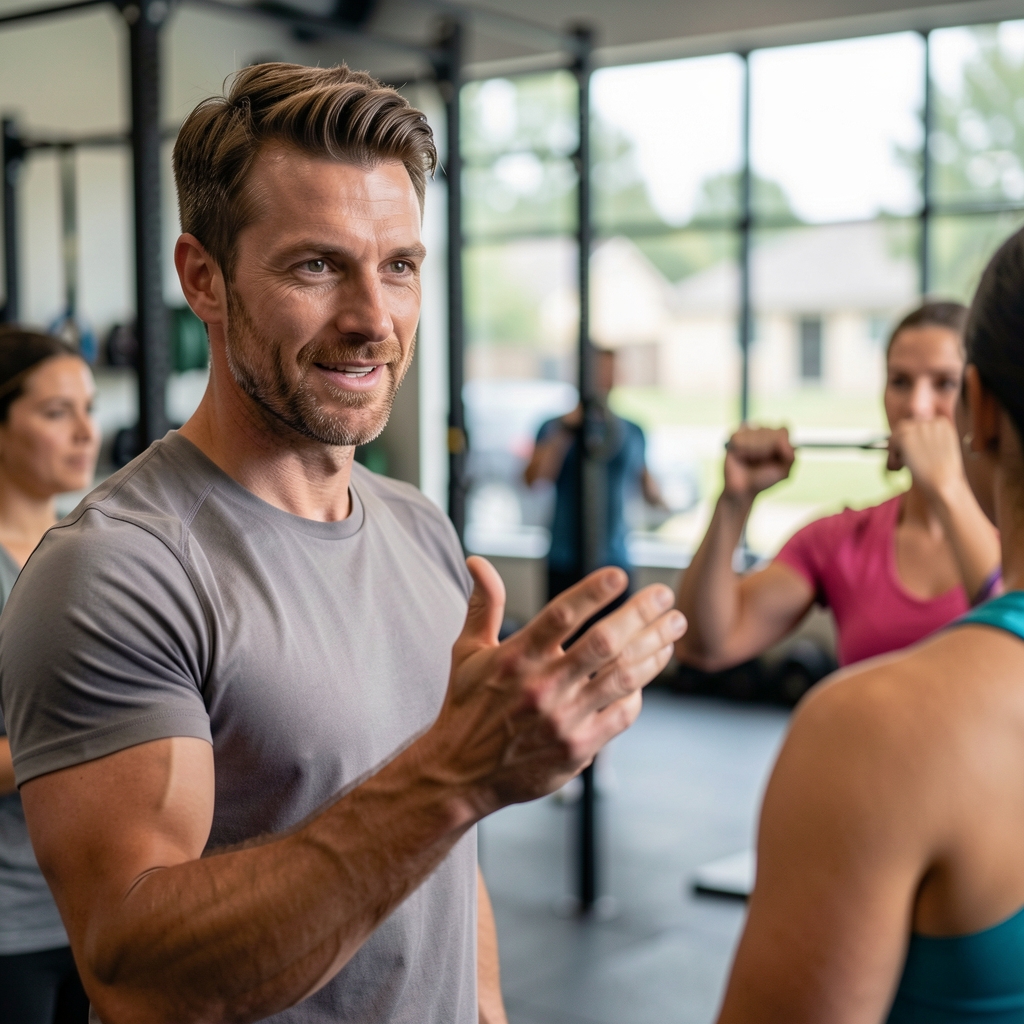
Translates research into session outlines, movement notes and cautions drawn from working with adult trainees. Responsible for the functional training and assessment pages.

Covers sleep, nutrition context and workload patterns, with attention to the pace of Jakarta working life. Responsible for the recovery and nutrition pages.
Brief history
A small group of writers and coaches began sharing summaries of studies on adult endurance and strength, noting how rarely participants over 35 appeared in the data.
The three desks were defined, the second-reader rule was adopted, and the first draft of the editorial standards was written.
Nymera opened to readers with physiology, cardio-endurance and functional training pages, and the first version of the glossary.
Recovery, nutrition and assessment guides were added, followed by the field notes, the research digest and the full set of policy pages.
Roles
Roles are described by function. Individual names are published on request through the contact page, in line with our approach to privacy.
| Role | Responsibility | Typical background |
|---|---|---|
| Managing editor | Final approval, corrections, and the editorial policy | Science and health editing |
| Desk writers | Drafting, source collection, and reader correspondence | Exercise science, journalism, coaching |
| Reviewers | Source checks and wording review from a different desk | Physiology, physiotherapy, research methods |
| Accessibility and web lead | Site structure, accessibility review and privacy settings | Web development |
“Our aim is modest: to leave a reader better able to ask a good question of a coach, a physician or a study.”
— Nymera editorial desk, 2026
Principles and contact
Write to the editors at Nymera, Jl. Gatot Subroto Kav. 36, Jakarta Selatan, DKI Jakarta 12950, Indonesia, or call +62 878 9652 1437 during office hours. Messages sent through the contact page receive a reply within two working days.
Contact the editors Editorial policy