Keep one familiar anchor
A repeatable walk, lift, or ride makes it easier to notice genuine change instead of reacting to every session.
Age and training
Age is context, not a sentence. Training history, sleep, work, and health make the picture more specific.
“Can I still do this?” is often less useful than “What preparation would make this a sensible request now?” The second question welcomes a history of training, old injuries, current responsibilities, and the skills that have already been earned.
For many men 35+, progress becomes less linear. A good month can be followed by a demanding work period, illness, or a shift in sleep. The plan needs enough structure to guide action and enough flexibility to stay honest.

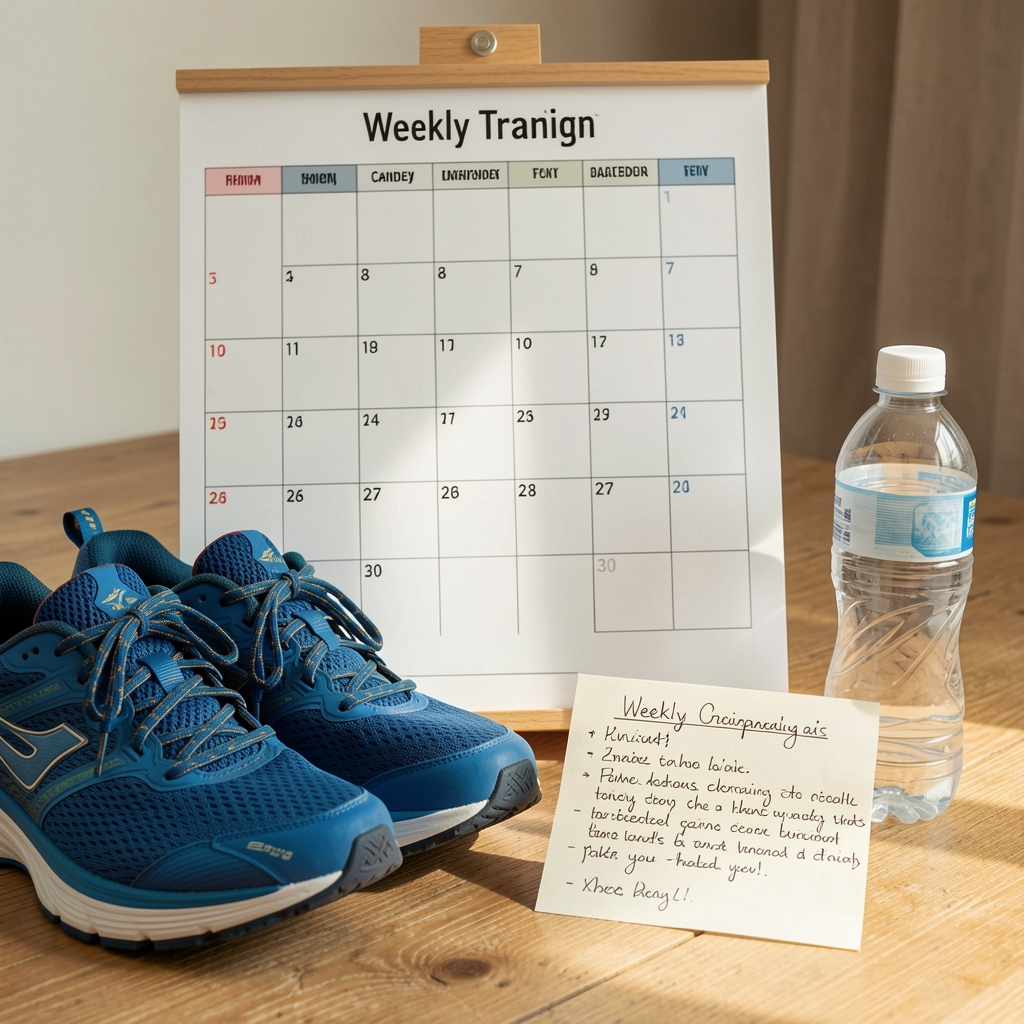
A repeatable walk, lift, or ride makes it easier to notice genuine change instead of reacting to every session.
Higher effort belongs on a foundation of movement confidence and reasonable recovery, not on nostalgia for an earlier personal record.
Training history is not baggage. It is the map that tells you where the steep sections are.